Most of us have felt it: standing in front of a restaurant wine list in Italy, utterly overwhelmed, or wandering in front of a wine shop shelf full of unfamiliar names. Elisabetta Tosi’s new book “Sip Easy” tackles exactly that problem, but not in the way you’d expect. This isn’t another book about grape varieties, appellations, or regional facts. Instead, it’s a practical survival kit for actually enjoying wine on the ground: what to say, how to order, when to trust the waiter, and why the wines you loved on holiday might not be there on your local market (but that’s okay). Per reviews the book, finding in it much of the same philosophy he brings to his own wine travels and wine tours: be curious, seek out the unfamiliar, and trust the place. Tosi’s advice, he notes, works just as well in France or Spain as it does in Italy.
You travel to Italy, and you want to thoroughly enjoy the wine and the food on your trip. Elisabetta Tosi’s book “Sip Easy — The Relaxed Traveler’s Guide To Navigate Italian Wine With Confidence,” is an excellent guide, but not at all as you would expect.
Originally published on Forbes.com, this article is republished here in an expanded form with additional context, content, updates, and editorial insights relevant to BKWine Magazine readers and other wine-lovers.
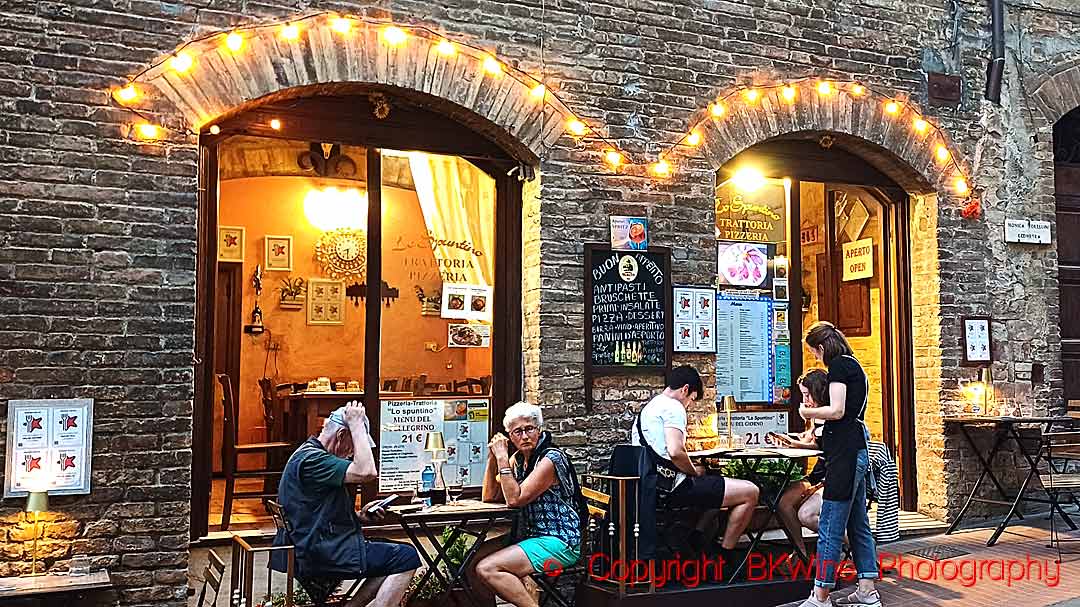
Why do we travel to wine regions, go on wine tours? To tick famous names off the dreaded bucket list and drink more of what we have at home (but perhaps cheaper)? Or is travelling in wine country a way to go beyond what we are already familiar with and hope for pleasurable surprises, explore and discover. Maybe even jump into the unknown. If you are more like the latter, like I am, Elisabetta Tosi’s new book is for you.
Elisabetta Tosi is a long-established and respected Italian wine journalist. She is a specialist on Veneto and Valpolicella but have travelled extensively around all of Italy, and taken foreign visitor around wine regions, seen their plight and confusion facing the wine list at a restaurant or the uncertainties on how to get the best out of a wine tour.
Her new book “Sip Easy” is presented as a guide for those who plan to go to Italy and who want to make the most of their time to enjoy wine and learn about it on-site. You might expect it to be full of information about Italian wine regions, grape varieties, appellations, etc. It is not. It is totally different.
Instead, Sip Easy is a practical handbook on what to say, what to do, and how to behave to get as much out of your vinous time in Italy. In fact, it says next to nothing about wine regions, grapes and the rest.
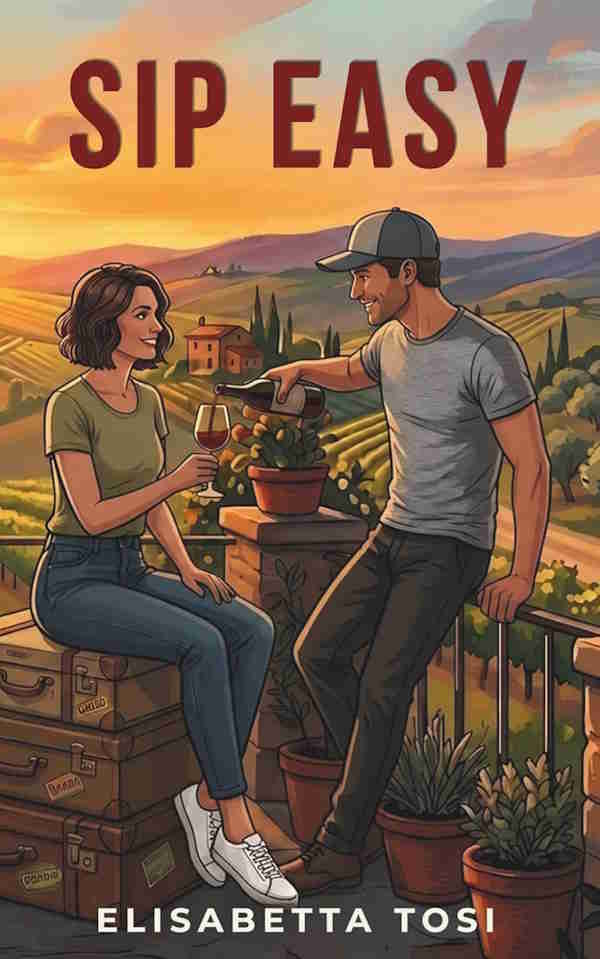
And yet, it is brilliant. It is probably the best handbook you can find to really enjoy and discover Italian wine. “Not a travel guide or a wine course, but an Italian Wine Survival Kit!” says to presentation.
As a bonus, the same method will serve you exactly as well in any other country you will visit on your wine travels.
How to just simply enjoy wine without wine courses
It tells you how to explore the wine country you’re travelling in from a practical perspective, what to do and say in restaurants, how to find the most exciting wines, how to avoid the tourist traps, and how to make sure you get as memorable experiences as possible.
It is idiosyncratic and a bit quirky. And it is almost always exactly right, spot on, in its advice.
It is a practical handbook that has the ambition to remove the anxiety you might feel when diving into the sometimes unbearably complex Italian wine world.
“In Italy, wine is not simply a beverage. It is culture, history, storytelling, family memories, landscapes, art, and much more. Wine is one of the most authentic connections to your heritage and land.”
In Italy (or in France, or in Spain…) you don’t just drink a glass of wine. You drink culture and history too.
“It’s likely you feel overwhelmed by the Italian wine world when you are in Italy. Sometimes, even the passion of Italians when they speak about wine can feel a bit much,” says Elisabetta Tosi.
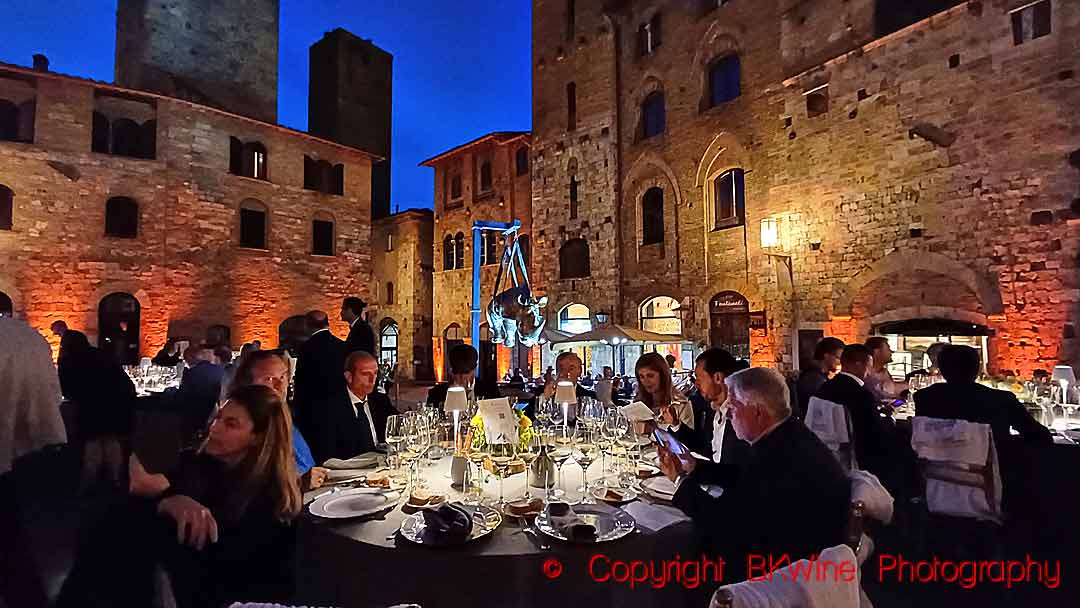
Wine is different in Italy
Her book is a guide to get around all that and make you comfortable navigating wine in Italy. It also explains some of the sometimes curious (curious for foreigners) habits and traditions around wine in Italy.
Here are some examples:
Do not expect to find soft, smooth poolside-sipping wines in Italy. “Wine in Italy is made to accompany food.” And it does it excellently. With food, you want wines with some tannins and good acidity, and that’s exactly what you get in Italian wines.
Booking and paying for a tasting and visit cost
One vital piece of advice in Tosi’s book is about organising a visit. Yes, there are wineries that you can visit that don’t require a booking. You can just drop in, get a tasting, buy bottles if you want and maybe even get something to eat. But that is usually the big touristy places with visits that are good for those who just want a drink, not so good for those who want to get some insight into what the winery does.
So, for all except the biggest and most touristy wineries it is essential to contact them in advance and arrange for a visit. Yes, it is a constraint. But it is also, in a way, a show of respect. The winery is more often than not a small family business and they’re not just sitting around waiting for visitors to arrive, they’re busy somewhere running the business.
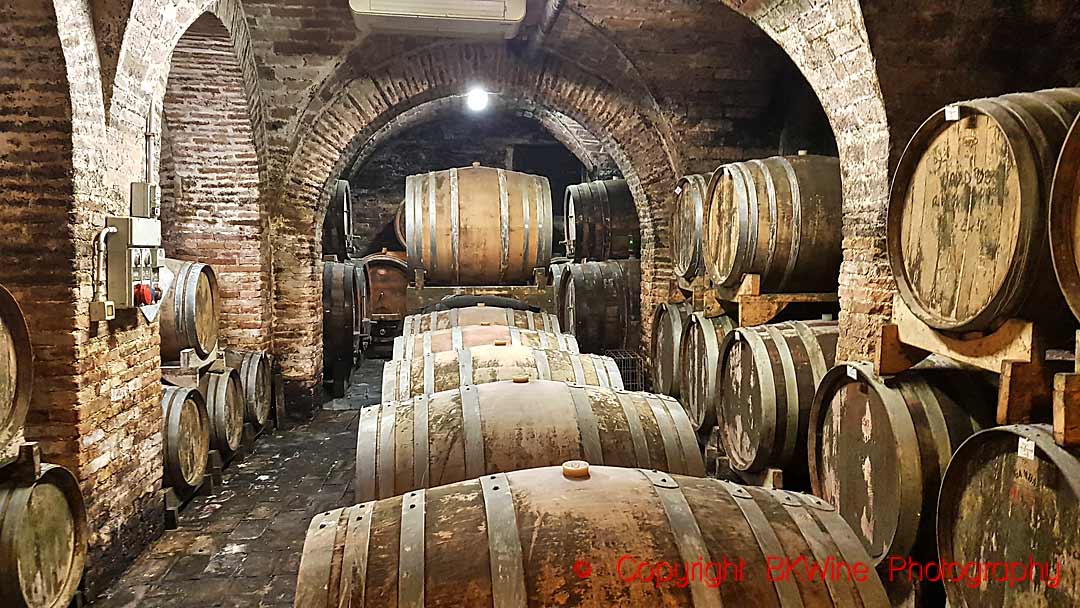
A visit and a tasting can cost anything from nothing to well over 100 euro. Usually, bigger places are more expensive. Sometimes the price is waived (reimbursed) if you buy some bottles. If the visit is free, then you should out of courtesy at least, buy a few bottles. Hopefully they were good. Most certainly they were good. Elisabetta Tosi explains the intricacies of this in great detail.
As an aside (not relating to the book), I can add that as a tour operator often organising wine tours in Italy, we sometimes find the pricing of visits in Italy puzzling, and sometimes incongruent. Some wineries in Italy charge hefty fees, say 50-70 euros or more for a tasting of four basic-range wines. Expensive and not memorable. This happens surprisingly often in Italy (more often than in other countries). High price for not much value.
Why not take the opportunity to dazzle the visitor with something special and memorable instead? They have the opportunity to turn the visitor into ambassador for their wines but instead they offer a very modest experience. But for the visitor used to Napa Valley tasting pricing, everything will look cheap.
Pay for the bread?
Often in Italy, the bill has a small charge for “coperto”, often explained on the bill as the charge for the bread, and it is there even if you did not ask for bread.
“I had to pay for coperto at the restaurant, but I did not order the bread!”
This is a very old tradition going back to the Middle Ages (that also exists in some other European countries) for giving you space at the restaurant and a roof over your head. Tosi pointedly notes that this is insignificant compared to the almost compulsory and today next to exorbitant tip practiced in the US. So why be upset?
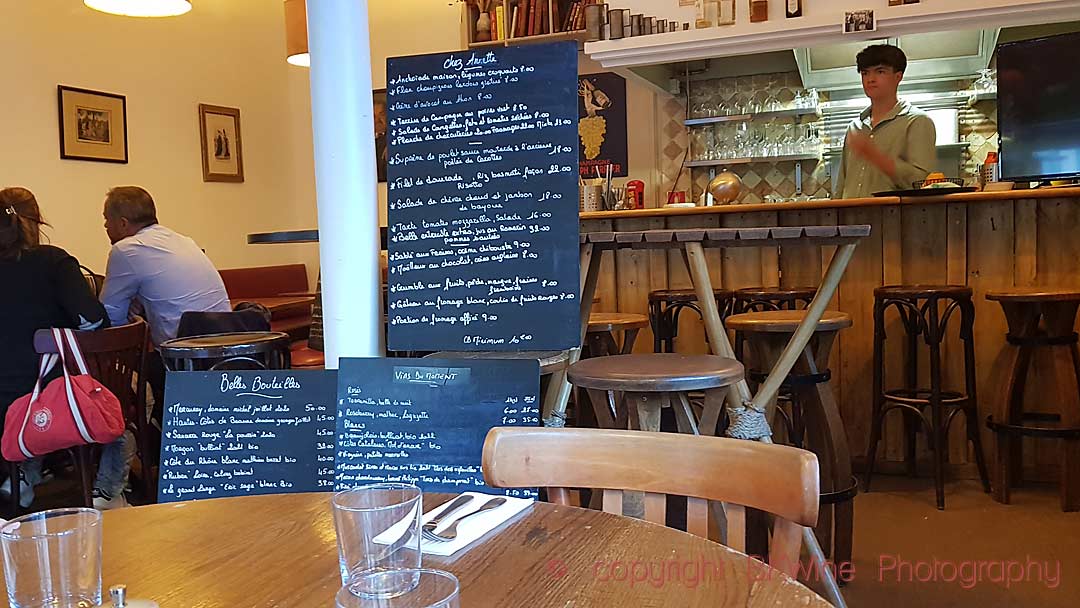
I had a great wine but I can’t find it at home
Some wine travellers are disappointed by the fact that some of the great wines they tasted when travelling are not available at home.
“Accept that some wines exist only where they’re made,” says Tosi.
But I’d say it is broader than that. One of the main points of travelling is exactly that, to find things that are not available at home.
And anyway, not all markets have all wines. This is sometimes particularly painful to realise for travellers coming from the Swedish monopoly market who sometimes thing that everything is available in Sweden…
There is, of course, the possibility to a) ship the wines from the producer (not always easy), or b) find out if the producer you like has an importer near you.
Is tradition quality?
Tosi also has some more concrete information on how to understand the Italian wine classification system. For example, DOC (denomianzionen di origine controllata) and DOCG (denomianzionen di origine controllata e garantita), reserve, classico, superiore and some other things you can find on a label do not necessarily indicate quality; instead they are signs that the wines adhere to certain rules and regulations and come from a specific place, often very closely linked to tradition.
For this reason, it can pay to go outside or beyond these honorific denominations and try a “simple” IGT or even a “vino di tavola”. Think back a few decades and you may recall when the now famous super-tuscans became famous: rebels (at the time) refusing the regulations and therefor selling their wines as simple vino di tavola. Now are they among the most famous.
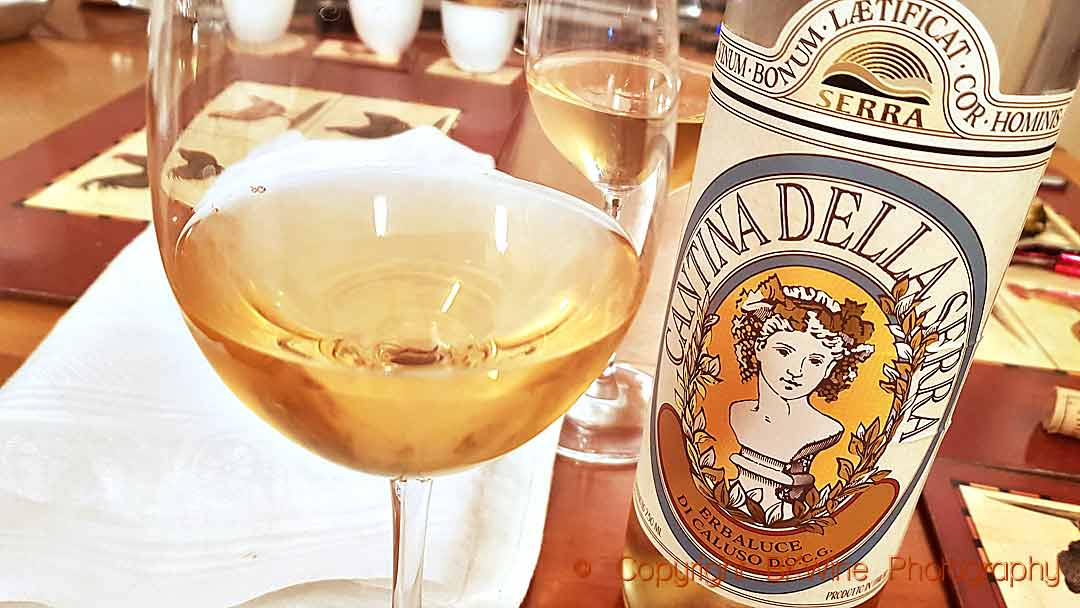
Selecting wine in restaurants and wine shops
Tosi has a number of excellent pieces of advice on how to order and drink wine in a restaurant.
Some Do’s: Do ask for advice. Do trust local wines. Do let the waiter pour first. Do hold the glass by the stem.
Some Don’ts: Don’t ask for ice in your wine (this, however, can be quite okay in some instances, a hot summer day when the wine is served too warm, and it is of very modest quality). Don’t smell the cork (you won’t notice anything anyway). Don’t fill the glass too much. Don’t lift up your glass to meet the bottle… Don’t order sweet soft drinks with the food – Italians believe sugary drinks ruin the taste of good food (and right they are!).
But most importantly: “Relax. Italians care about wine, but they care even more about enjoying the moment. A smile and a bit of curiosity will always be appreciated, even if you break a rule or two…”
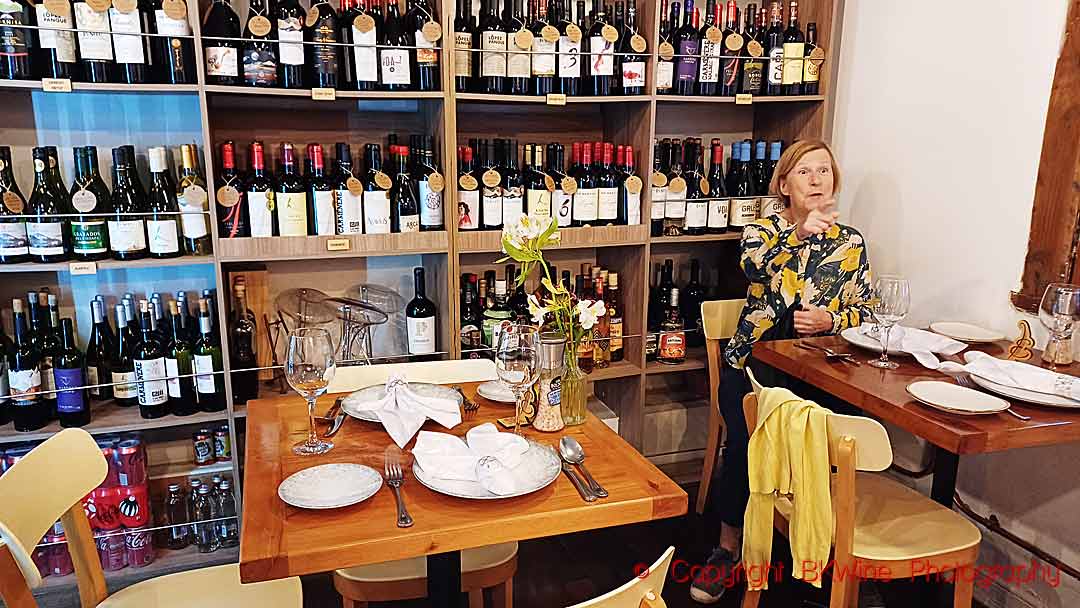
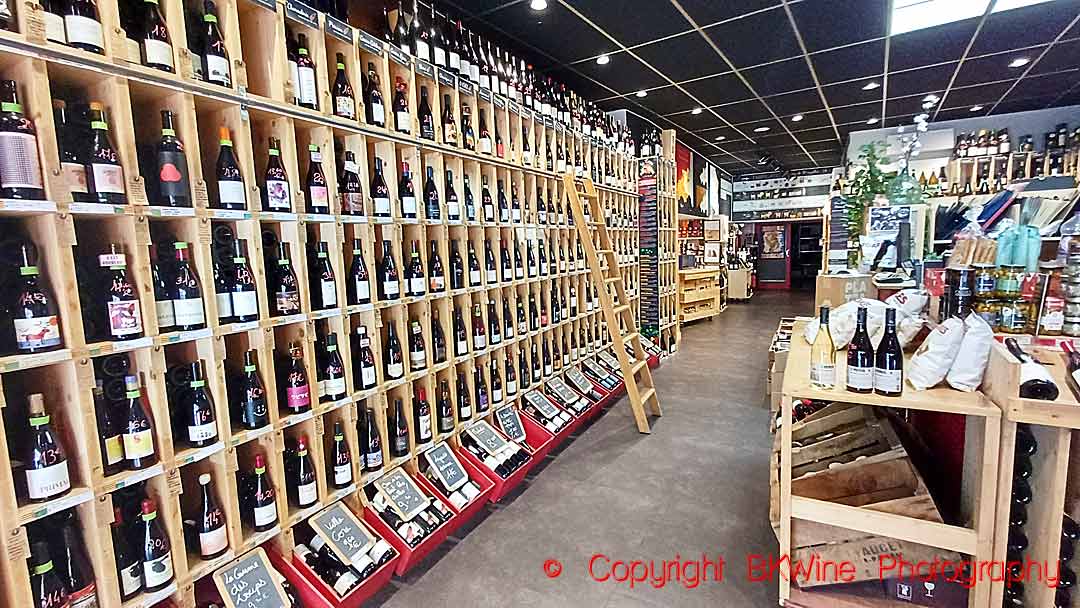
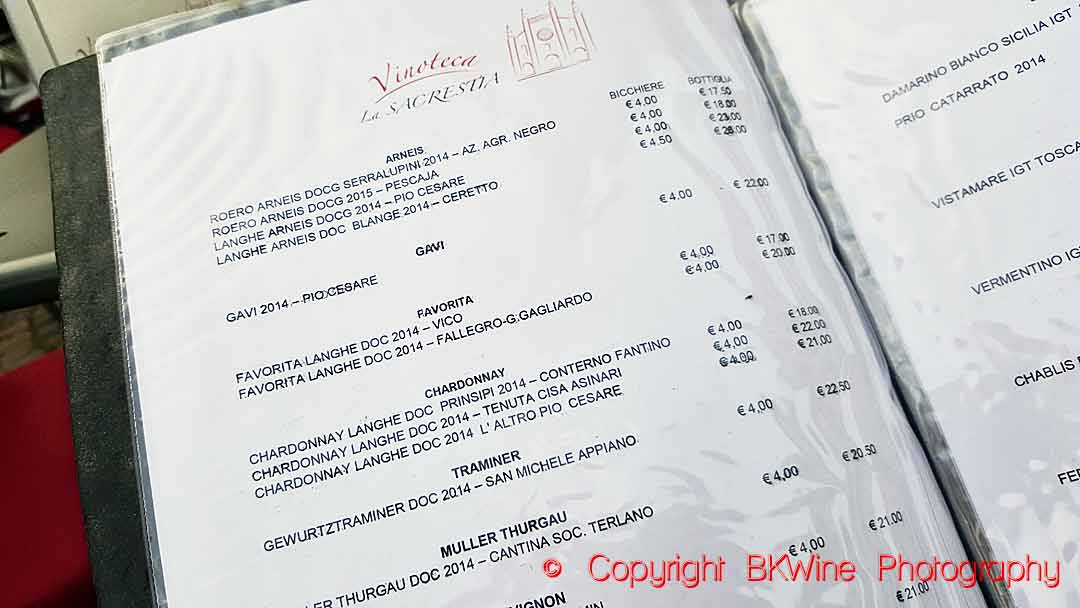
When ordering wine in a restaurant, or buying wine in a shop, she has another excellent suggestion. Many people would start looking for something they recognise, “Ah, finally a wine I recognise; I’ll take that”. That is exactly the wrong way to go if you want to discover the exciting Italian wine landscape. And I absolutely agree with her on this. “When examining a wine list or shop shelf, mentally sort options into ‘grapes I’ve heard of’ and ‘grapes I haven’t heard of.’ And then, start with the second category.”
That is the perfect advice to make you come home from Italy with more knowledge and more enjoyable wine experiences. When you have the opportunity, choose a grape you don’t recognise, a wine region you have never heard of, a producer that you are not at all familiar with. Try something new and something different. Why would you travel far away to taste things that you can taste at home?
Pairing food and wine
Another thorny subject that Tosi broaches in the book is pairing food and wine. Her advice is simple: pairing wine and food is not complex; it is simple, not thorny at all. This is a subject that so many authors have spent pages and pages on trying to explain to us how to find the perfect match. The perfect match does not exist. Except at a specific location at a specific occasion – then, it can be perfect.
The simplest rule is “combine local with local”, but then again, that is just practical. Conventional rules are at best just that, conventional; at worst, bad advice. Be daring, be curious. Don’t over-think it.
One thing Tosi mentions is something that people rarely talk about, but that makes much sense: “drink with the seasons”. Certain foods are on the menu, or on the market, in springtime: asparagus, young pecorino, lamb, and they go well with spring-type wines. In autumn, the season is for more solid food, for example stews. That’s the season for more solid wines, time for the Piemontese wines, the Bolgheris, the Puglian wines.
Or to use Tosi’s final words on it: “The Italian approach to wine pairing isn’t really about wine at all. It’s about the place. At some point during your trip, you will sit at a table that’s slightly wobbly, on a terrace overlooking something beautiful, and someone will put a plate of food in front of you that you didn’t entirely understand when you ordered it, alongside a glass of a wine you likely have never heard of, made from a grape you can’t pronounce. And everything will be perfect. Not because you followed a rule, but because you trusted the place. That’s the Italian way.”
A book for the curious wine lover
“Sip Easy — The Relaxed Traveler’s Guide To Navigate Italian Wine With Confidence,” is a self-published book available on Amazon. As such, it is not the most elegant book, but in a way, that is a reflection of the message it has. Don’t over-complicate things and don’t judge a wine by a fancy label (or a book by a fancy design). Sip Easy is available on Amazon here (and also on other national sites). It’s a small investment for a much greater enjoyment.
It may look a bit overwhelming with a book with so many pages that doesn’t teach you the facts about Italian wines, but just how to “behave”. And I might not agree with every single advice. For example, it is perfectly acceptable (to me) to add ice to a wine if it is served too warm and not of any noteworthy quality. And I am not sure that it makes sense to use some of the Italians phrases in the book when you won’t understand the answer anyway. But why now? At list it will create a smile.
But Sip Easy is a perfect travel companion, short enough to read on the plane to Italy, and full of tips that will make you enjoy your wine exploration more. A book for the curious wine enthusiast. But the advice is not only valid for Italy, but the same advice also works just as well in France or Spain and in almost any other wine region. Be curious. Ask questions. Don’t go looking for what you can find at home, but try what you cannot find at home. Explore!
I travel more than a third of the year, due to the work I do as a wine journalist and as a wine tour operator. Travel much in Italy’s many wine regions but also in many other wine countries, and one of the best parts of that is to discover new things, things that I didn’t know before.
What’s the point of travelling if it is just to drink what I can get at home?
In fact, when reading the book I sometimes chuckled quietly to myself, thinking “that’s exactly the kind of advice I would give.”
And finally
If you are curious about discovering wine and gastronomy, in Italy or other wine countries, there’s no better way than to travel on one of our BKWine wine tours! And practice all the advice from Elisabetta Tosi.